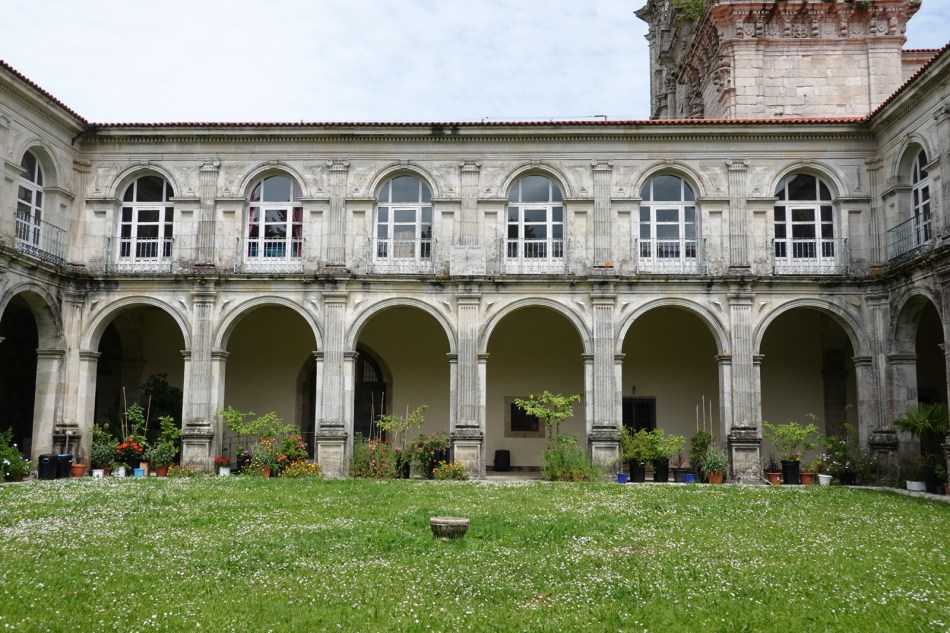
A Pobra de Parga to Sobrado dos Monxes, 24Km
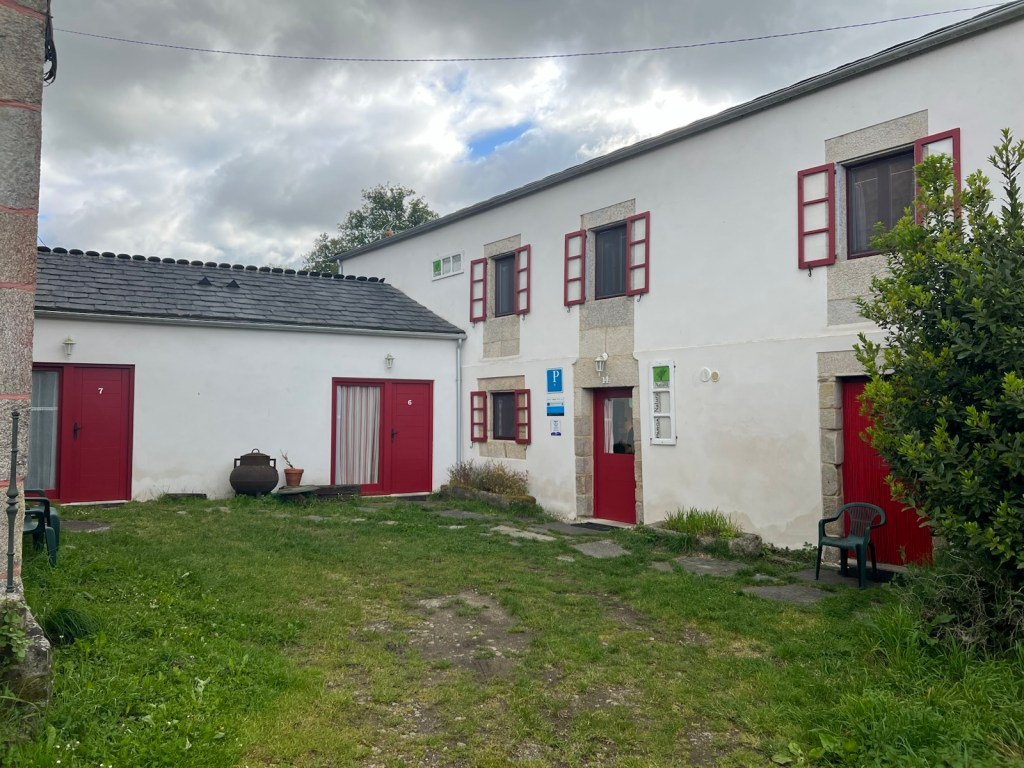
Last night’s albergue in Parga was very good. I had a room with 5 bunks and enough heat to keep the chill off. Strangely, only 8 of us opted for the communal dinner which was served at 7:30pm. We ate an excellent mixed salad and a healthy chickpea dish.
After dinner I discovered one of my roommates was the same man whose snoring kept me awake in Abadin. I managed four and a half hours sleep and was the first one up and away this morning.
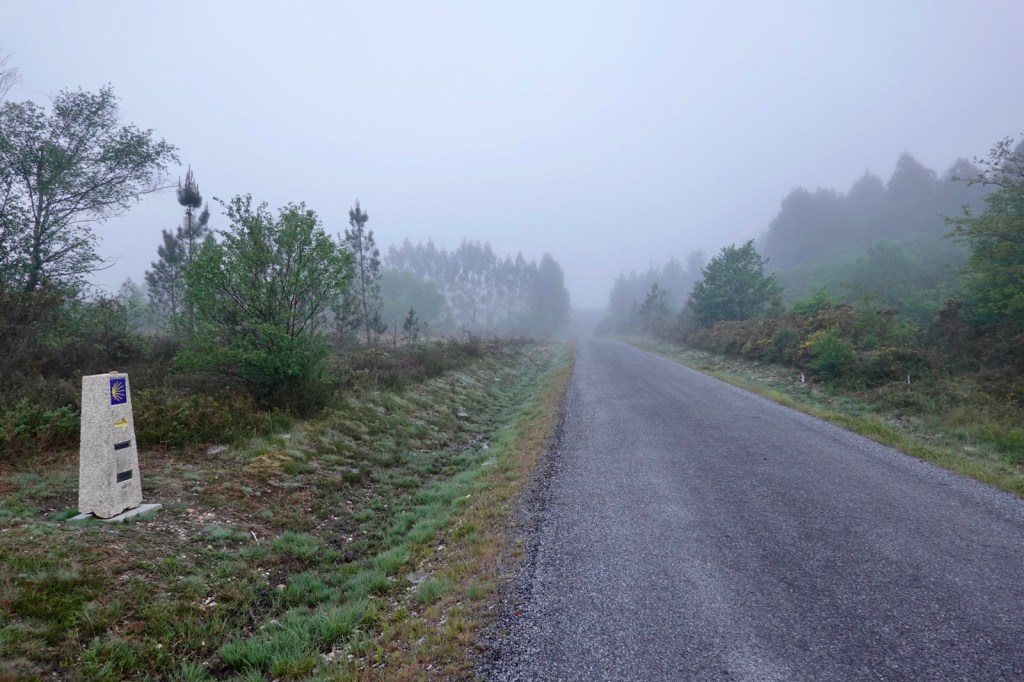
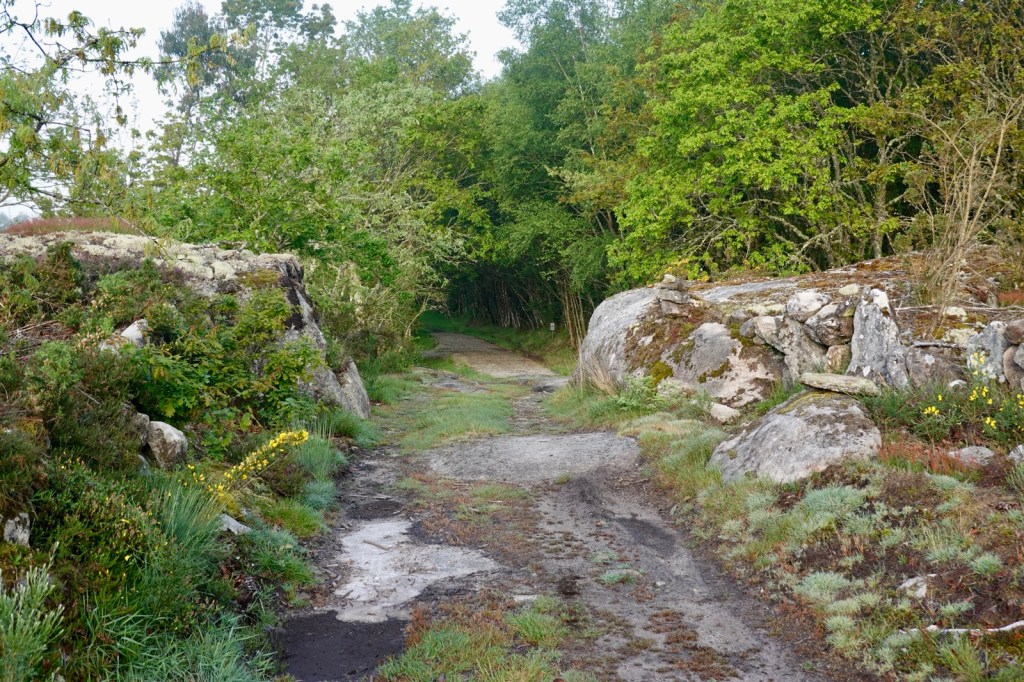
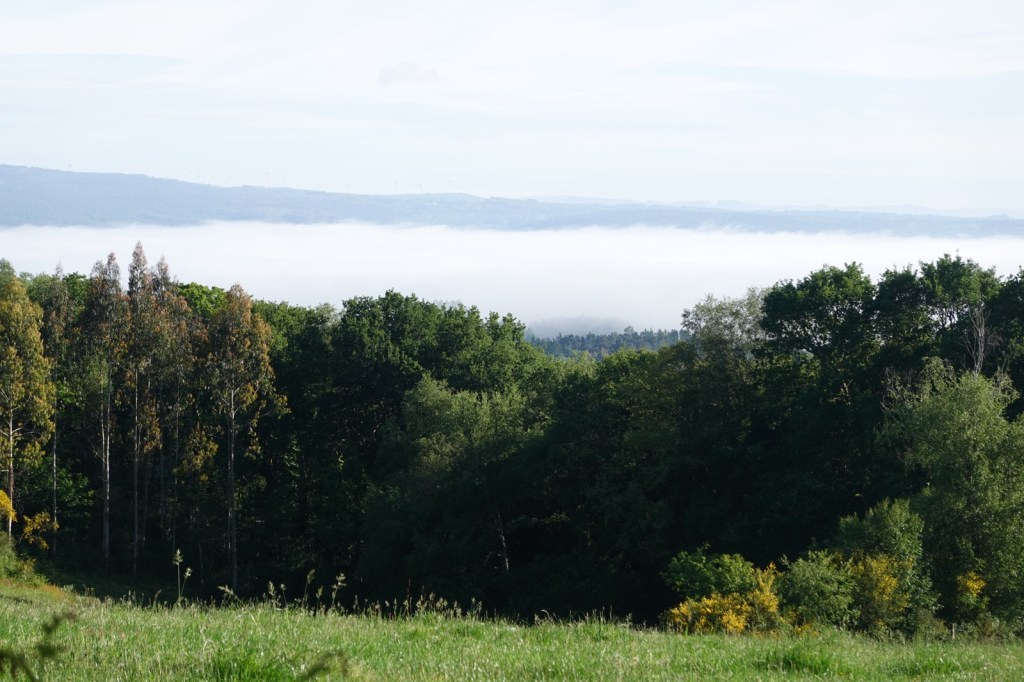
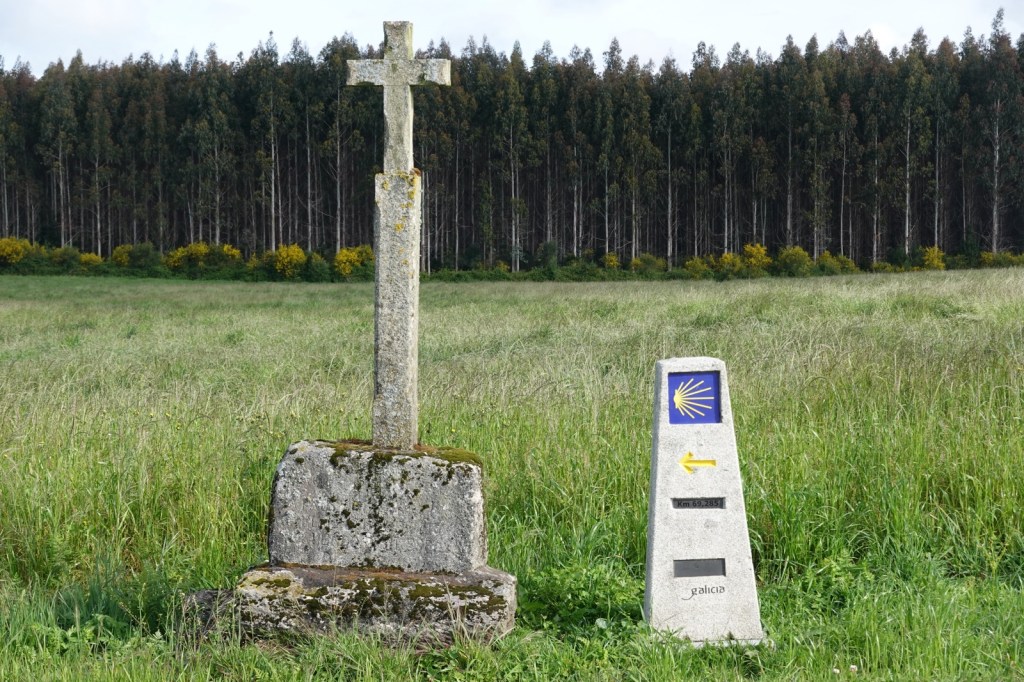
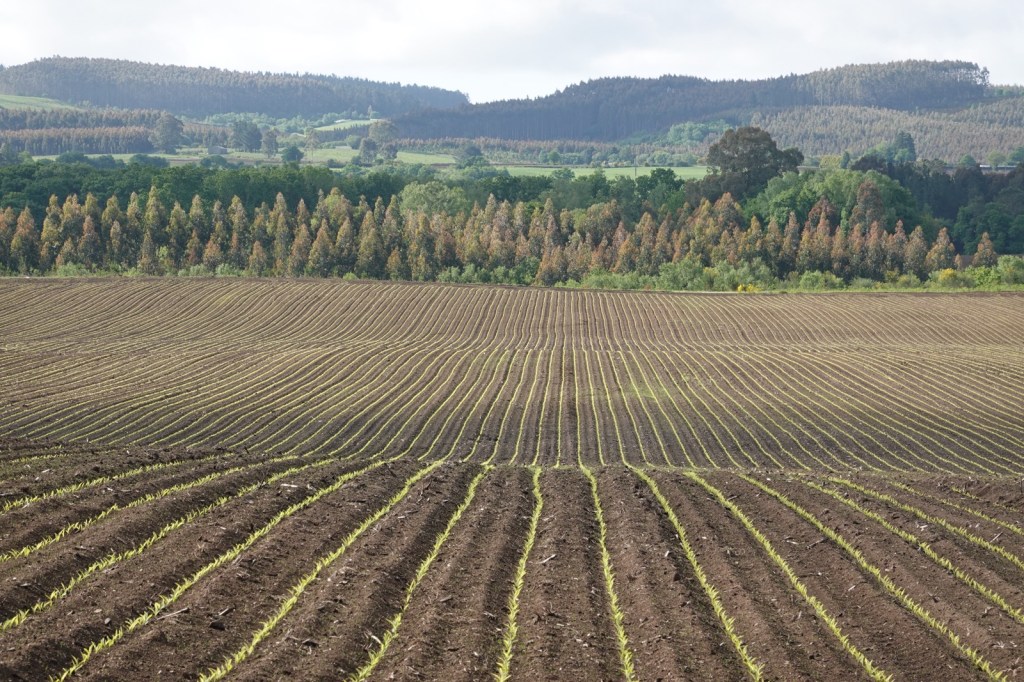
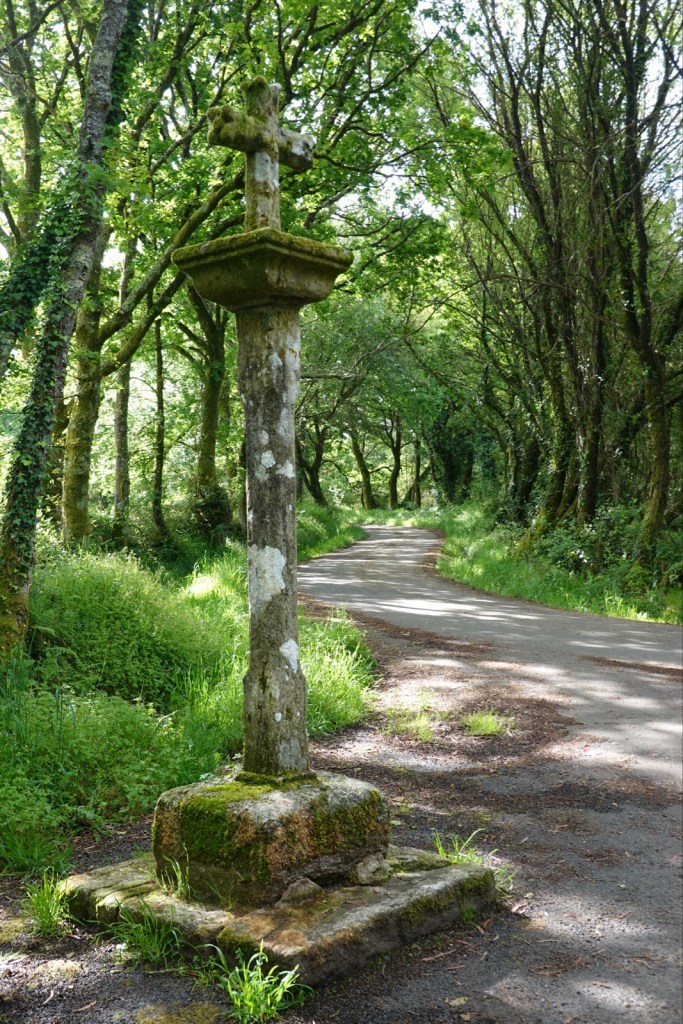
The walk was delightful as most of them have been. It was cold and foggy but dry. I thought it was going to be a mountain walk but it wasn’t. It was hilly like everywhere in Galicia and rose to over 700m but no different to any other day. My old geography teacher would have described the scenery as mixed agriculture because there was a little bit of everything, from cows to asparagus.
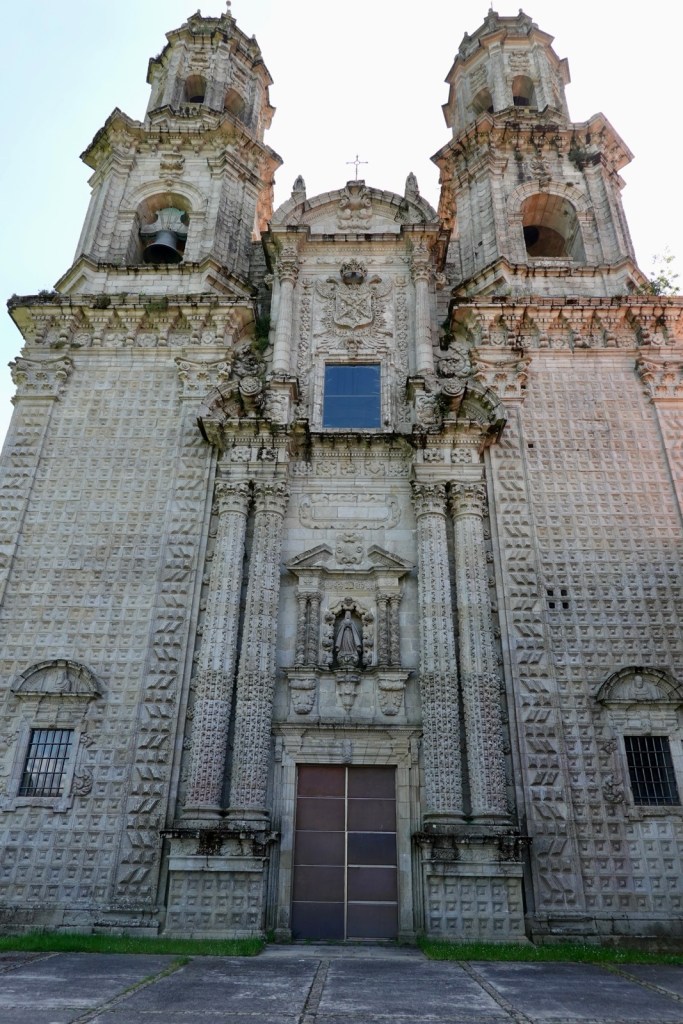
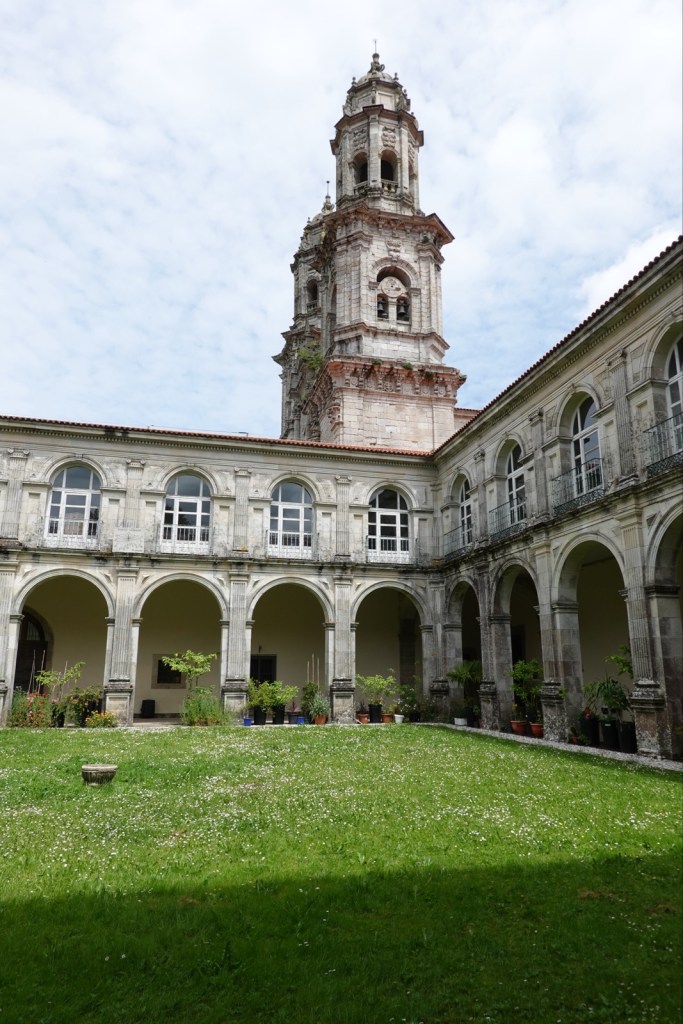
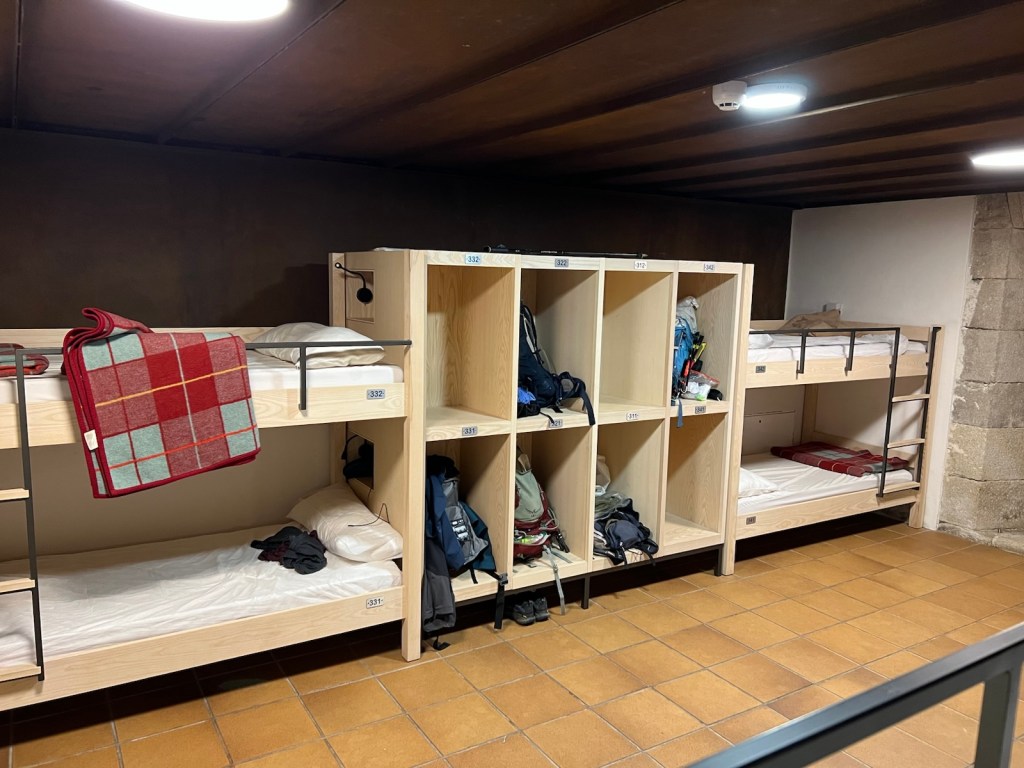
I arrived at the Sobrado monastery and was greeted by a monk who checked me in. I imagine in medieval times, pilgrims arrived, found a place to lie down and went to sleep. Today we have to scan a QR code, enter all our personal information and pay 10 euros. Everything is new from the beds to the showers. It’s quite nice. The monk was a British man who arrived in 1995 and has a singular view of the Spanish, Britain and every other nationality. He cheered me up.
The snoring man is again in my room but just around a corner which I hope will help deaden the sound.


Sorry!
You’re forgiven!
Kia Ora, Tim the way looks fabulous being off-road and through bush and farmland – my kind of walking country. The front of the monastery is magnificent. Imagine the hours and the labour which has gone into building it – all by hand shaping the stone – no motor-driven machines then. It is awe-inspiring and wonderful that it is still being used more than 1000 years after being built. For those of us in very recently inhabited lands the antiquity of structures and history Europe is sometimes difficult to comprehend. The first European settlers landed in NZ Late 18th century! Kia kaha.
Just imagine arriving from the countryside in medieval times to see these huge churches. So impressive!